As temperatures finally begin to fall after a record-breaking heatwave in France, forest fires still rage across the country. On Wednesday President Emmanuel Macron will visit the south west, where two major fires continue burn.
Temperature records were broken across France on Monday as the searing heatwave continues - here's a look at the forecast for the week and when the heatwave is expected to break.
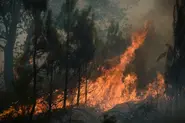
As wildfires continue to rage in south west France at least five campsites in the area have been destroyed, along with an area of forest the size of Paris. Fires have also broken out in other areas including Brittany.
As the climate crisis intensifies France is seeing longer and hotter summers, with temperatures that can be dangerous to life and health - and not only for humans.
The climate crisis means that heatwaves in France are becoming more common, more severe and last for longer - here's what you can do to keep yourself and your home cool as the temperatures soar.
In June 2022, France sweltered under an unusually early heatwave - but experts have warned that these conditions, regarded today as extreme, will become the norm sooner rather than later.
The world is heating up, and France is no exception. Here is how the country plans to change the landscape of its cities in order to cope with ever-increasing heatwaves.
For health reasons you should probably not be out and about as the heatwave strikes the French capital. But should you decide to travel across the city via the Metro system, some lines are better than others.
As heatwaves become increasingly common in France, the risk of forest fires is heightened. These blazes, once confined to the south, are now impacting people across the country.
The French government announced €500 million on Tuesday to encourage urban vegetation projects to tackle high temperatures in towns and cities as a heatwave began to strike in the south and southwest.
With climate change making fierce summer heatwaves an increasingly common event, authorities in France are looking at how to make cities more bearable during hot weather.
With extreme heat, wildfires and hailstorms already recorded this summer, The Local asked French climatologist Françoise Vimeux about the likely effects of climate change in future years.
Homes in southern France that so many fantasise about are going to become uncomfortably hot in coming decades, according to new climate change projections on Monday by the country's national weather service.
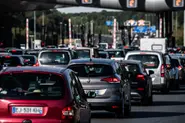
France saw a record level of traffic jams on Saturday, with cars stuck in gridlock on roasting roads spanning 820 kilometres during the country's heatwave.
Swathes of Western Europe wilted under intense heat Friday, with socially-distanced crowds seeking relief in fountains and pools as authorities warned of health and wildfire risks.
It might be the middle of October with Halloween approaching but summer will make a dramatic and perhaps welcome return this weekend as temperatures rise to 10C above the seasonal norm.
Paris' iconic architectural style - from its limestone facades to its shimmering zinc roofs - may bring in millions of tourists each year but can combine to create a hell-scape for residents during a heatwave.
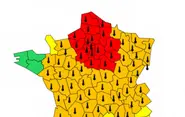
France's weather service Météo France issued red level heatwave warnings for parts of France on Wednesday for only the second time ever. But what does that mean for members of the public?
Paris was one of 20 départements in the north of France to be place on red alert on Wednesday afternoon as the heatwave saw temperatures soar towards the 40C mark.
Tens of thousands of motorists in the Paris and Lyon regions were unable to take their cars to work on Tuesday after authorities took the step of banning vehicles due to a pollution spike linked to the arrival of the new heatwave.
Official heatwave alerts were issued for 59 départements across France on Monday, including Paris where record high temperatures are forecast this week. Members of the public have been warned to take precautions as temperatures rise.
Wine production in France this year will be down by between six and 13 percent over 2018, notably because of the ongoing heatwave, the agriculture ministry said Saturday.