
Becoming French is a difficult process with different requirements depending on whether you are applying based on residency, marriage or family - you can find a full breakdown of the requirements here.
You will also need to be able to speak and write French at least at an intermediate level - you can take our citizenship French language quiz HERE.
And the whole process involves a lot of documents and quite a lot of waiting - 18 months to two years is the average amount of time for citizenship applications to be processed.
Towards the end of the process comes the interview - this is an in-person interview at your local préfecture (conducted in French, naturally) where you will be required to prove that you have sufficient knowledge of France, its history, geography, culture, politics and values to become a citizen.
These interviews seem to vary a lot - some people report an in-depth grilling, while others say it was simply a quick and friendly chat.
READ ALSO: What might you be asked in a French citizenship interview?
But it's best to be prepared, and you can get a book called the Livret du Citoyen - available to download from the government website here - which lays out the kind of things you need to know.
We've put together a quiz - based on the questions and answers in the Livret - divided into sections on history, geography, culture and politics. Bon courage!
During which historical period was the Palace of Versailles created?
A) Napoleon
B) Louis XIV
C) Louis-Philippe
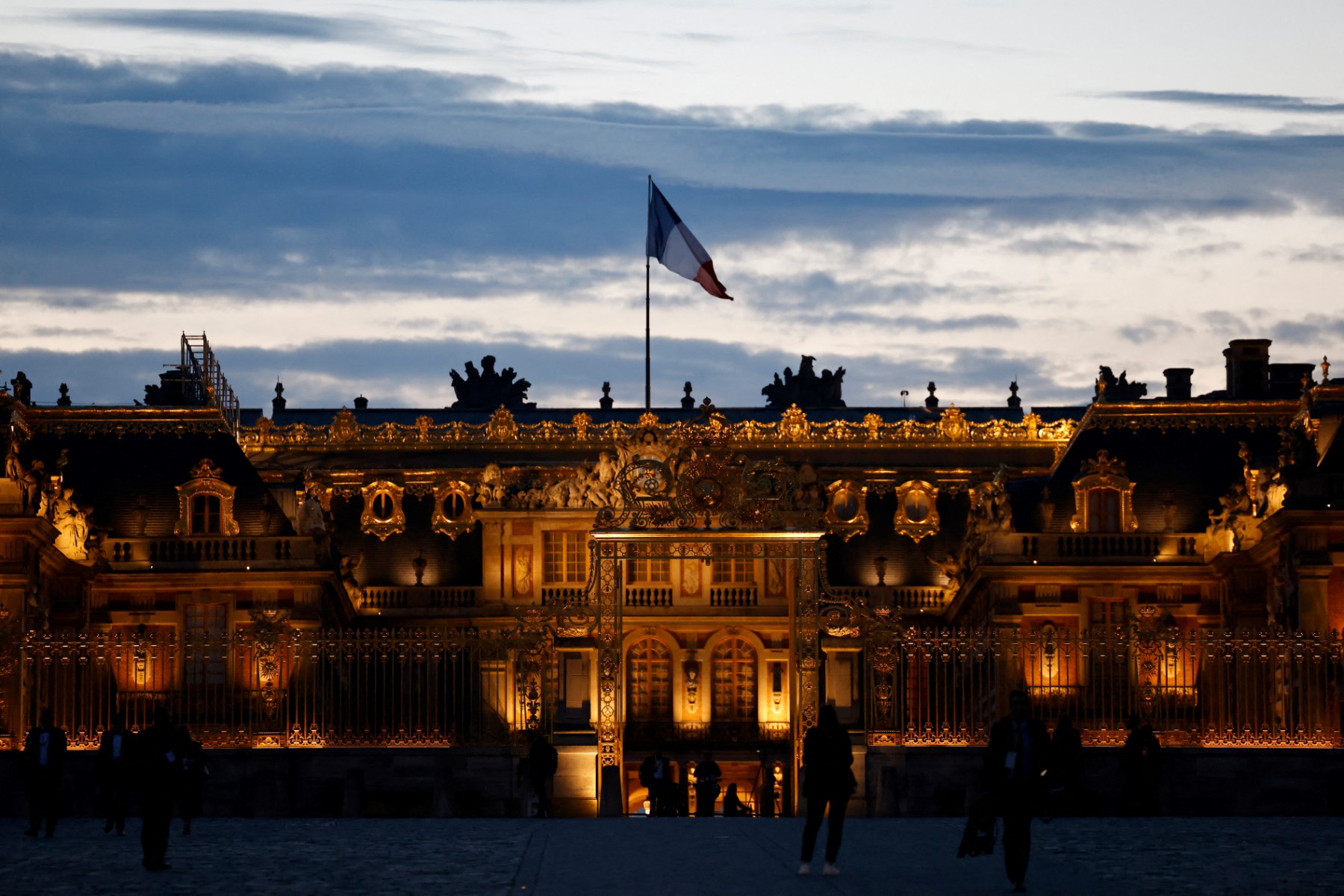
Answer: B) Louis XIV
Even though it was Louis XIII who laid the foundations of the chateau we know today, many of the large building projects, including the forecourt, were carried out under the reign of Louis XIV (the Sun King).
Louis XIV reigned from 1643 to 1715.
What was the function of the Bastille before its demolition?
A) Hotel
B) Opera house
C) Prison
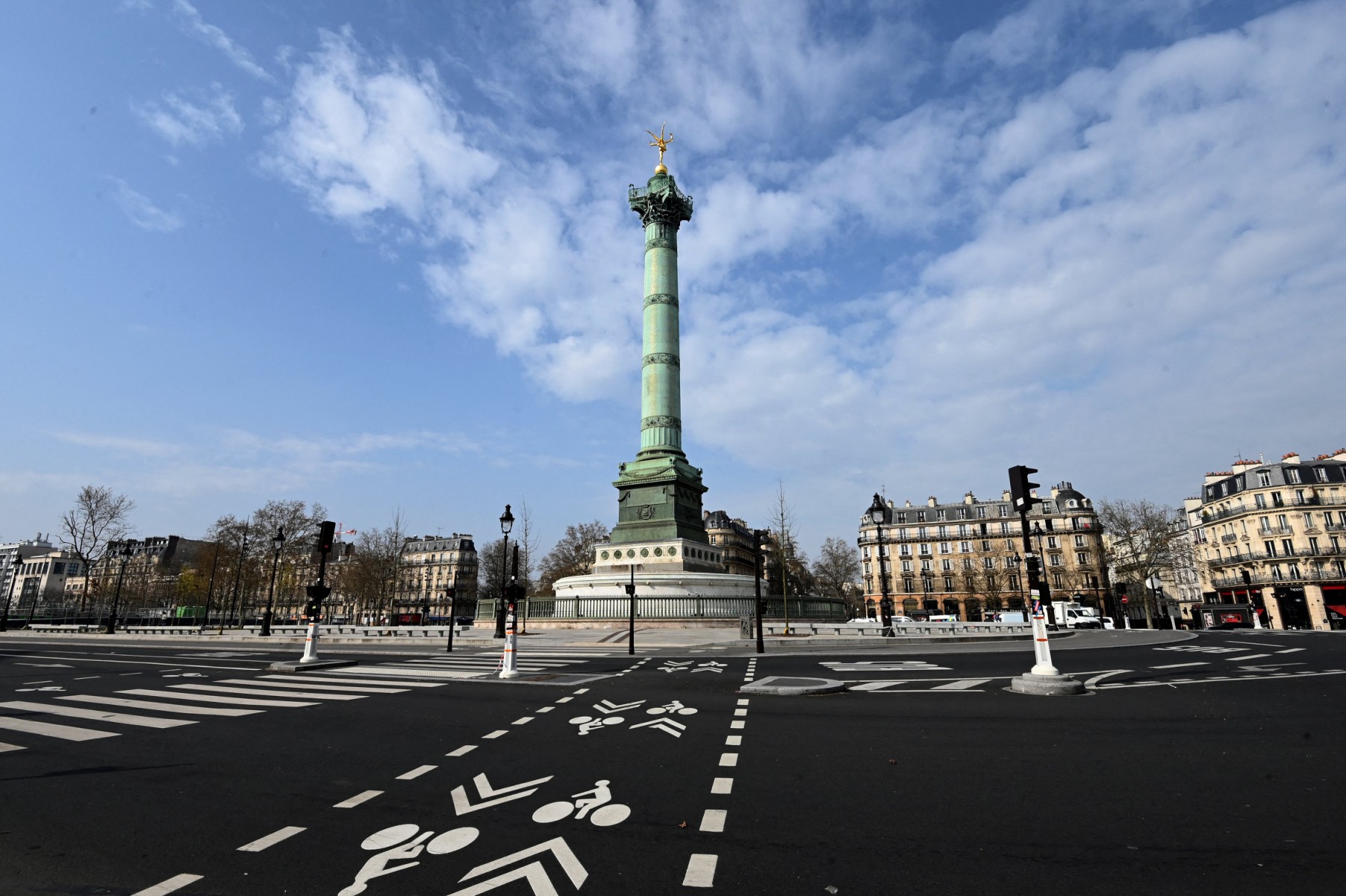
Answer: C) Prison
The prison was stormed on July 14th, 1789, during the French revolution, and since then it has remained an important space in the minds of French people. Further symbolised in the country's memory, the French national day falls on July 14th.
The state prison was used by several kings of France, famously for political prisoners, although when it was stormed there were hardly any prisoners inside it. It was eventually demolished and it is now the open space named Place de la Bastille.
During which war was the Battle of Verdun fought?
A) First World War
B) Second World War
C) Algerian War
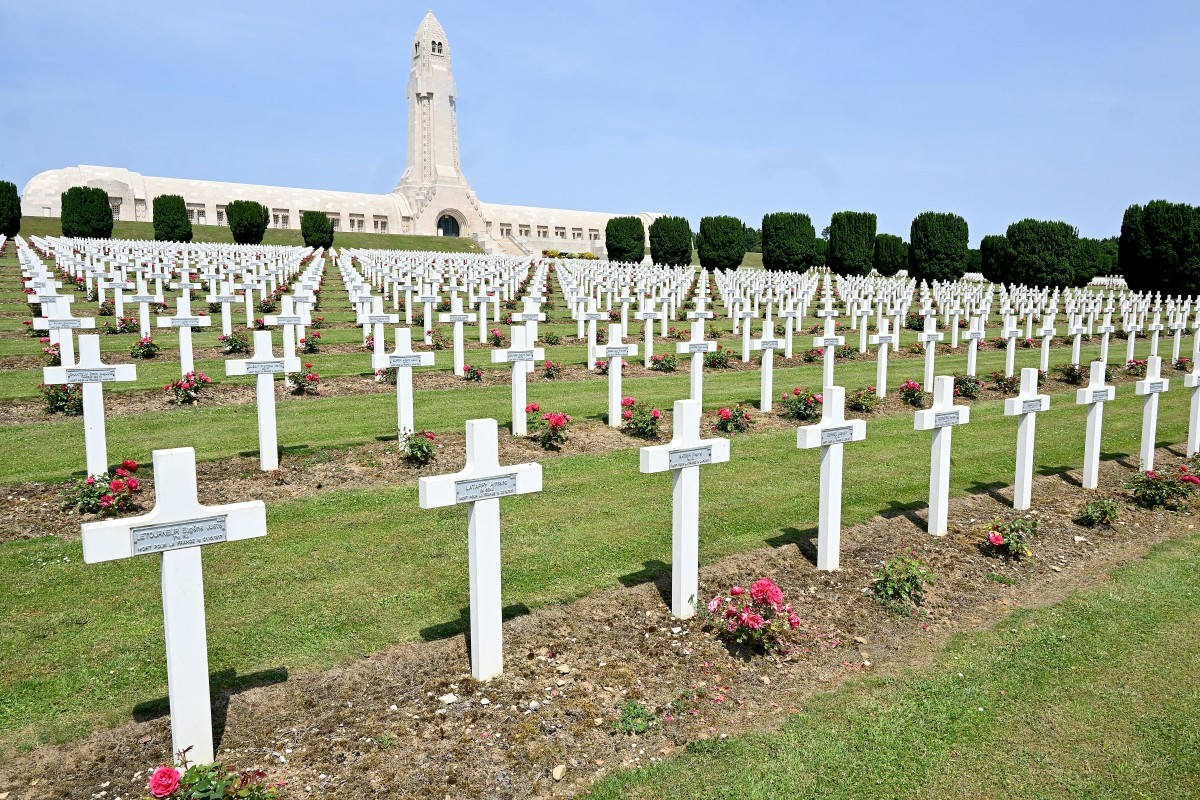
Answer: A) First World War
The Battle of Verdun was the longest, and one of the bloodiest, battles of World War I. It lasted 302 days, and it took place along the western front.
Over 700,000 people died, at least half of those being French soldiers. In the process, multiple villages were completely destroyed.
READ MORE: Did you know? There are six towns in France that have mayors, but no residents
Which of these three men was never President of France?
A) Valéry Giscard d'Estaing
B) François Mitterand
C) Victor Hugo
Answer: C) Victor Hugo
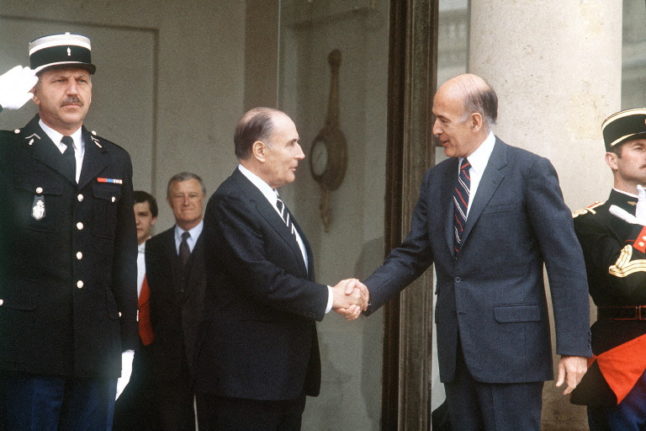
The photo above shows former President Mitterand shaking the hand of his predecessor in 1983. Unlike these two men, Victor Hugo was never the French president.
Instead, Hugo is famous for his novels, including The Hunchback of Notre-Dame and Les Misérables, as well as his campaigning for Paris to restore the Notre-Dame cathedral.
Where is Mont-Saint-Michel located?
A) On the Mediterranean
B) On the Île-de-la-Seine
C) In Normandy
Answer: C) In Normandy
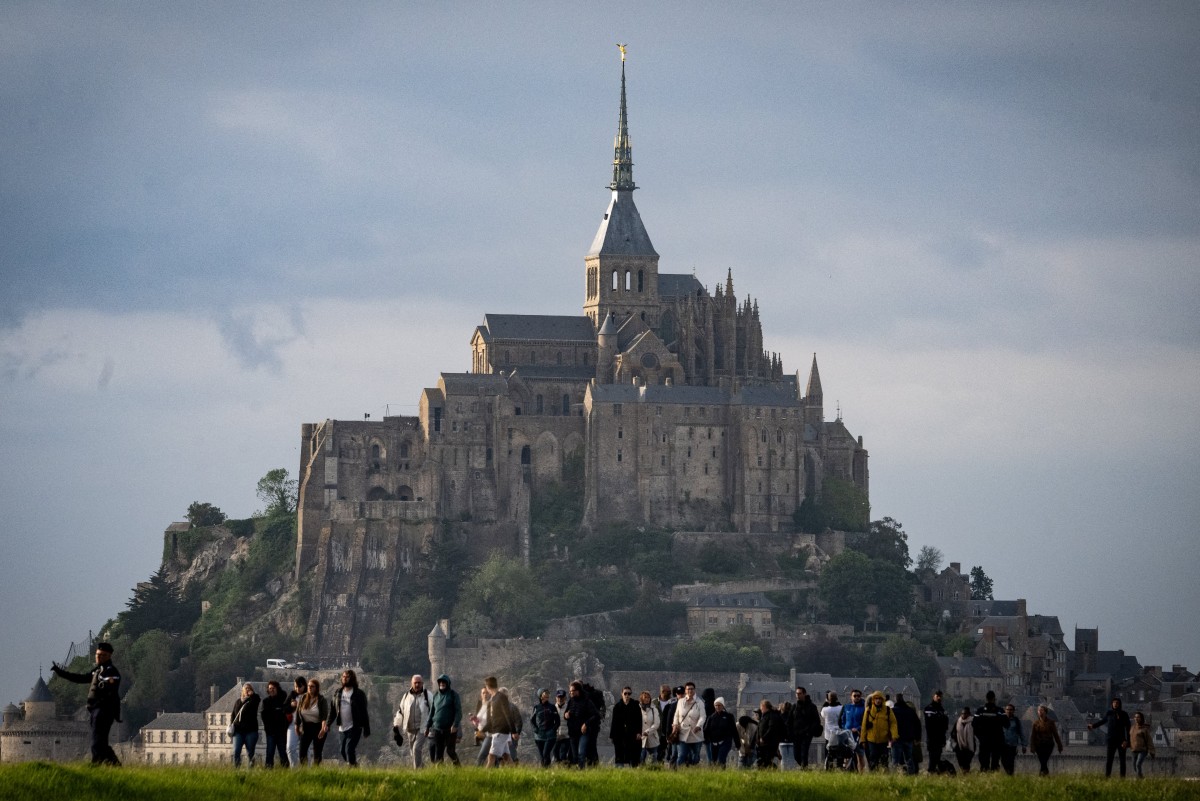
The tidal island of Mont-Saint-Michel is located in north-western France. It is known for its unique geographical position, as well as its abbey, which is over 1,000 years old and is one of France's most visited cultural sites.
READ MORE: 5 things to know about France's Mont Saint-Michel
Who or what is housed in the Elysée Palace?
A) The tourist board
B) The justice minister
C) The President of France
Answer: C) The President of France
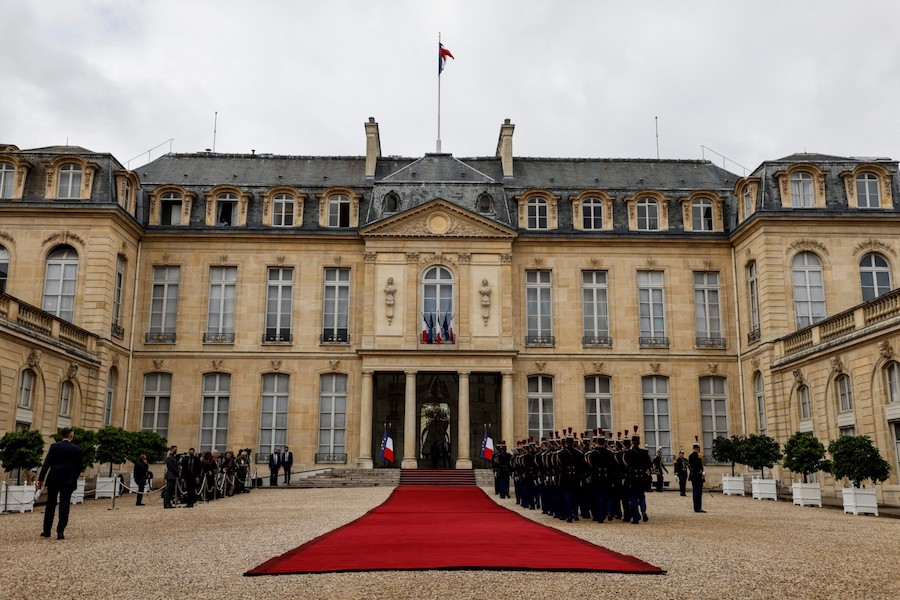
The Paris palace was initially a mansion built in the 18th century. Nowadays, it is the official residence of the French president.
Around 800 people work there every day, and the site is also used both for hosting foreign dignitaries, as well as the weekly Council of Ministers meeting.
In which of the following countries is French not widely spoken?
A) Algeria
B) Spain
C) Switzerland
Answer: Spain
Algeria was formerly a colony, and then a département of France, gaining its independence following the Algerian War in 1962. French is not one of the country's official languages (those are Arabic and Berber) but around 70 percent of the population speak it.
Meanwhile, Switzerland has four official languages; French German, Italian and Romansh. The French-speaking cantons (including Geneva) are clustered in the west of the country.
Spain on the other hand does not have French as any of its official languages, and most people speak Spanish (Castillian), Catalan or Basque. The French are in fact very rude about Spanish efforts to speak their language with the phrase parler français comme une vache espagnole (to speak French like a Spanish cow) meaning to speak French very badly.
Which of the following countries is not a member of the EU?
A) Denmark
B) Poland
C) Ukraine
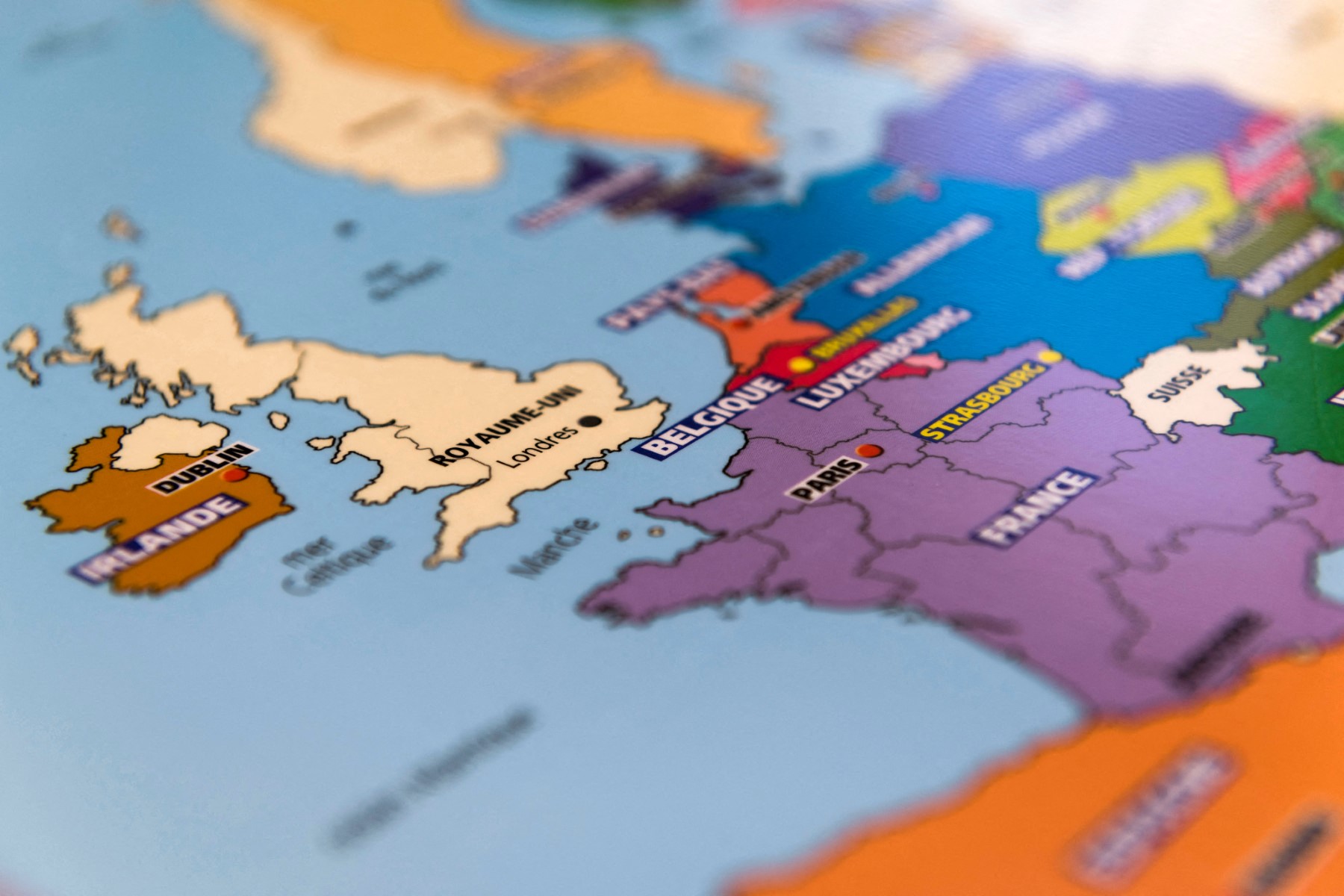
Answer: C) Ukraine
Both Denmark and Poland are part of the European union, joining in 1973 and 2004 respectively. As for Ukraine, the country has applied for membership in the bloc, but it has not officially joined yet.
Who wrote the novel The Three Musketeers?
A) Alexandre Dumas
B) Cardinal Richelieu
C) Marcel Proust
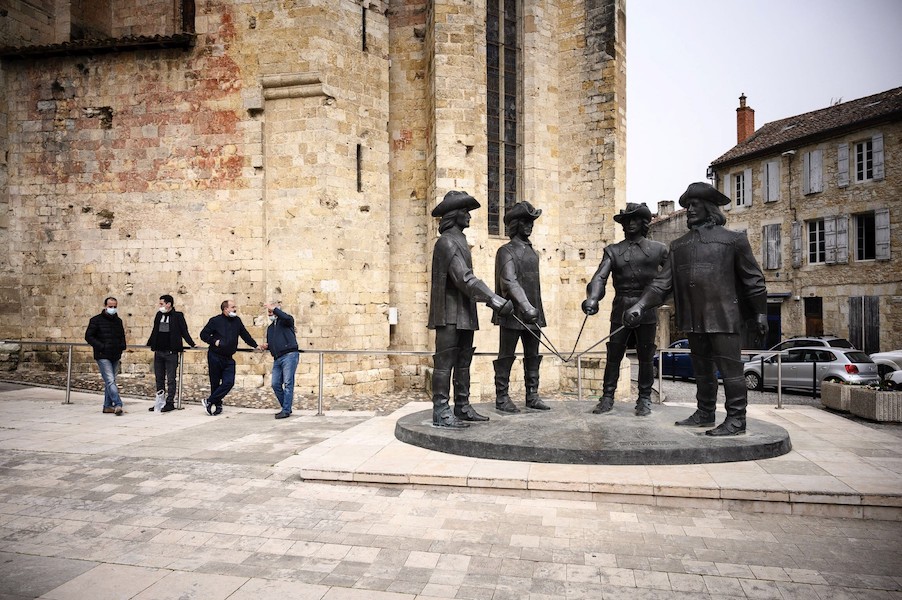
Answer: A) Alexandre Dumas
While Cardinal Richelieu was a real historical figure (and a villain in Dumas' story), he did not write the Three Musketeers. Neither did Proust, who instead wrote À la recherche du temps perdu (In search of lost time).
It was Alexandre Dumas, who published the novel in 1844.
Molière wrote...
A) Gardening manuals
B) Plays
C) Detective novels
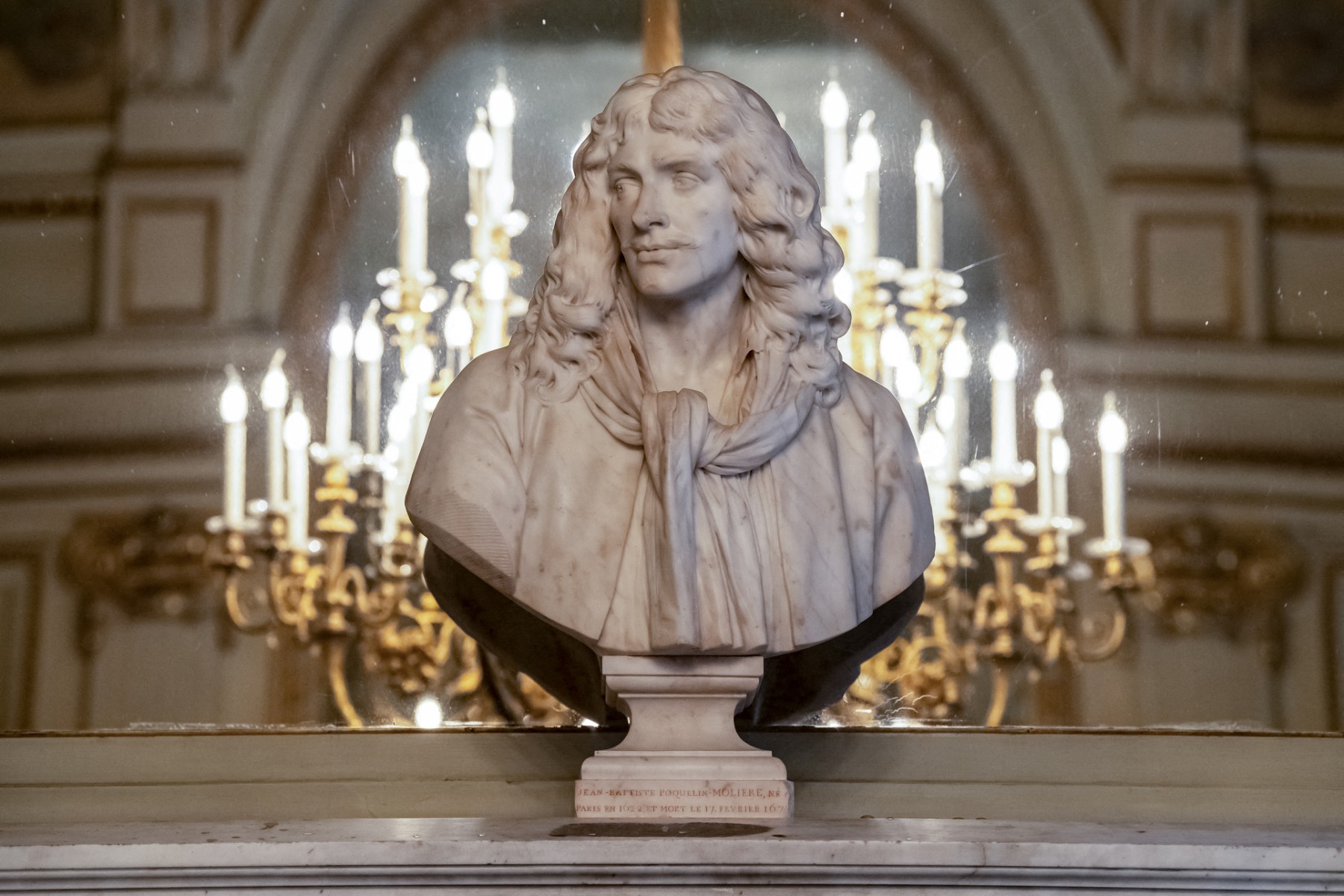
Answer: B) Plays
France's Shakespeare, Molière wrote a number of classic French plays, such as Tartuffe and the Misanthrope. He was a playwright, poet and actor.
He greatly influenced the French language, the extent that French is sometimes referred to as la langue de Molière.
Which of the following famous figures is not a singer?
A) Claude François
B) Michel Platini
C) Charles Trénet
Answer: B) Michel Platini
Unlike singer and dancer Claude François (nicknamed 'Cloclo') and famed composer Charles Trénet, Platini was not a musician.
He did make France proud as a football player, considered by many to be one of the best of all time, earning the nickname 'Le Roi' (The King). Later on, he became a manager and the president of the UEFA.
Who was Jean Moulin?
A) A singer in the inter-war period
B) A Préfet who became a member of the French Resistance
C) A minister in Charles de Gaulle's government
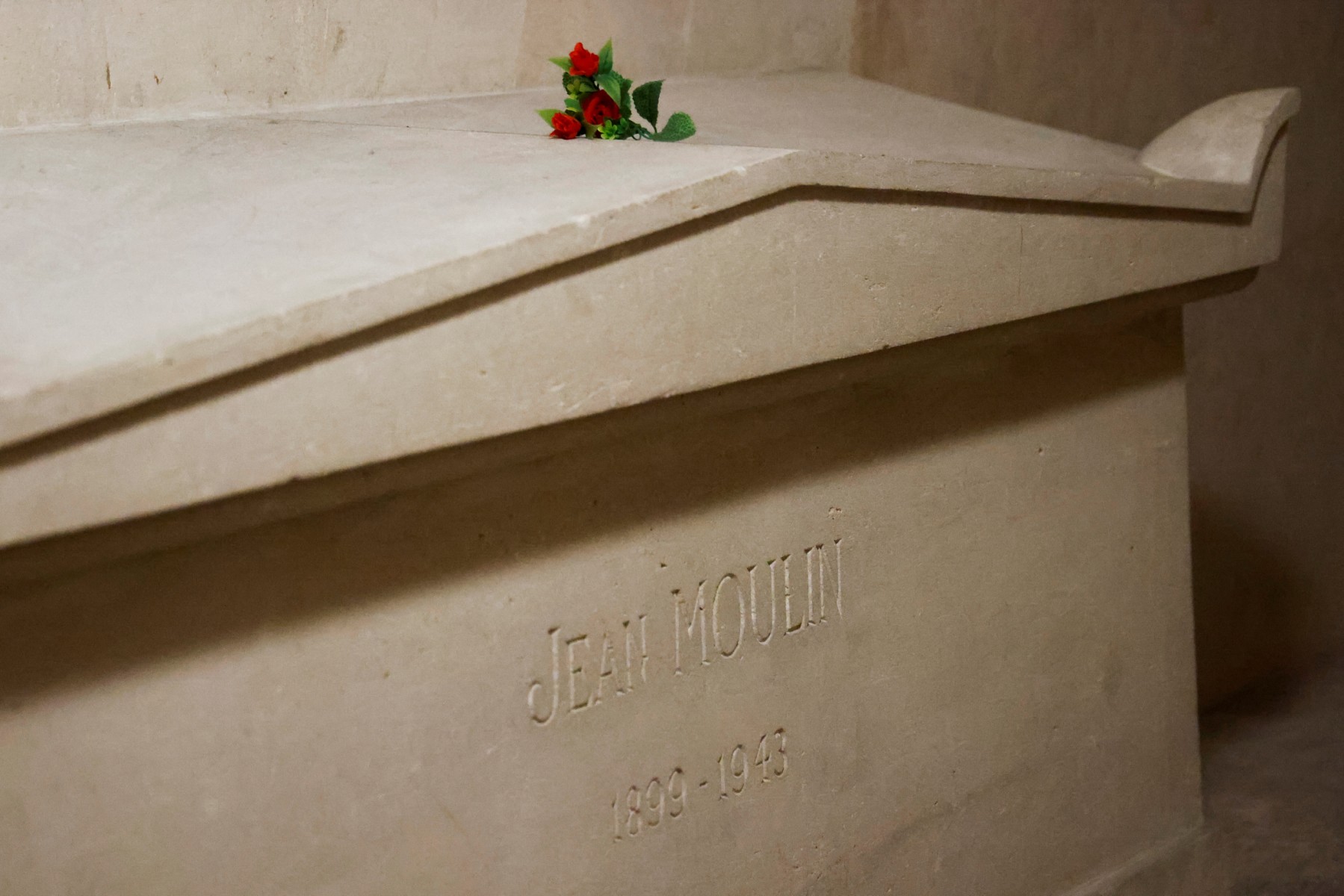
Answer: B) A Préfet who became a member of the French Resistance
Jean Moulin was an important figure in the French Resistance during World War II. He was the préfet of the Eure-et-Loire département when war broke out. Refusing to comply with the Germans, Moulin was imprisoned and tortured in an attempt to get him to sign a false statement.
He attempted suicide rather than sign the document he knew to be false. Afterwards, he joined the resistance and became a key leader.
He was caught by the Gestapo in Lyon, tortured and died while being deported to Germany. His ashes were later interred at the Pantheon in Paris.
The French president...
A) Is elected by universal suffrage
B) Is named by the head of the government
C) Is elected by a vote in parliament
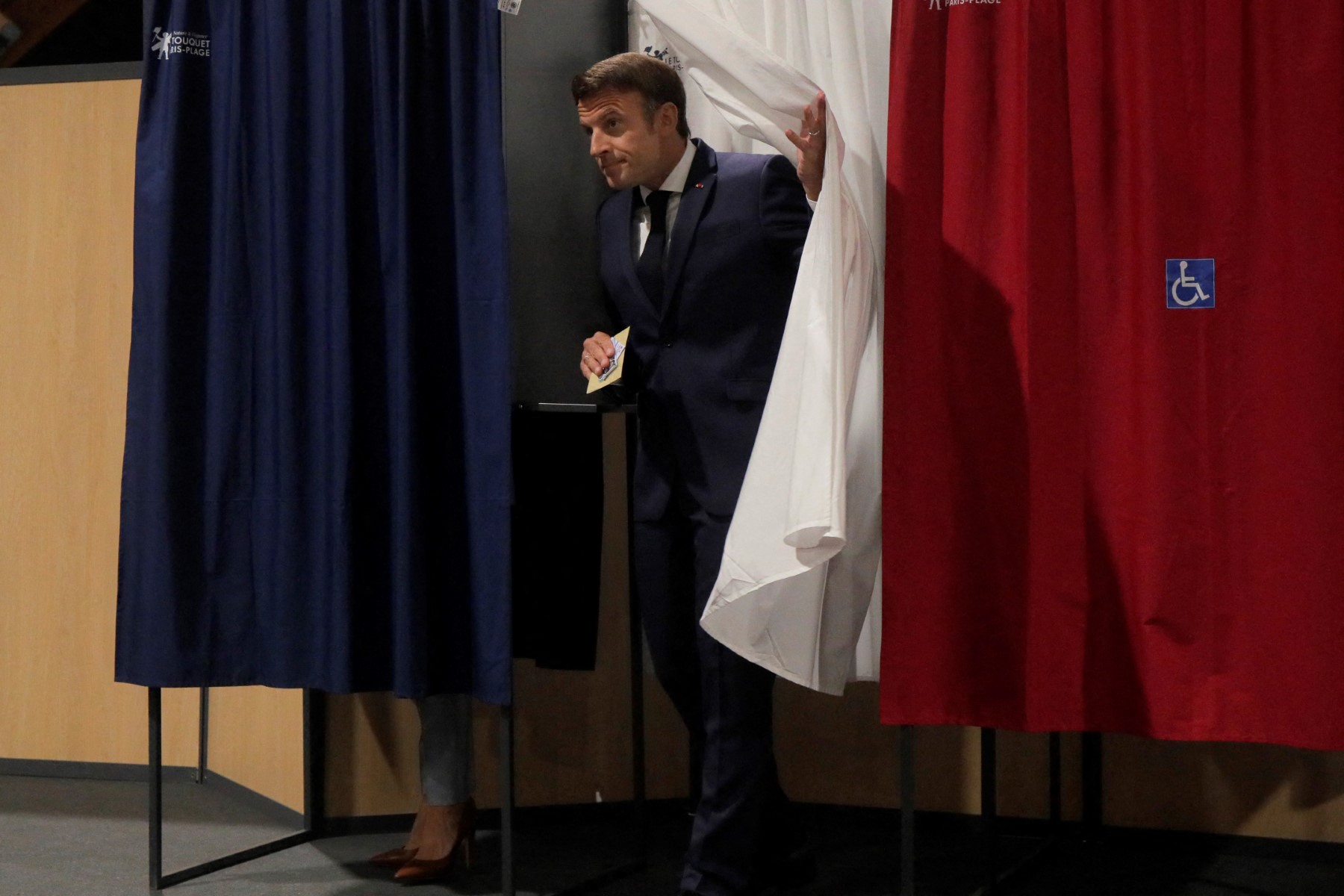
Answer: A) The French president is elected by universal suffrage
France elects its president through a simple-majority, two-round system. This has been in place since the 1962 constitutional reform. There have been eight presidents in the Fifth Republic.
The prime minister, on the other hand, is nominated by the president and is not directly elected. In fact, they don't even need to be a politician.
In France Catholicism is...
A) The official religion
B) One religion among others
C) A banned religion
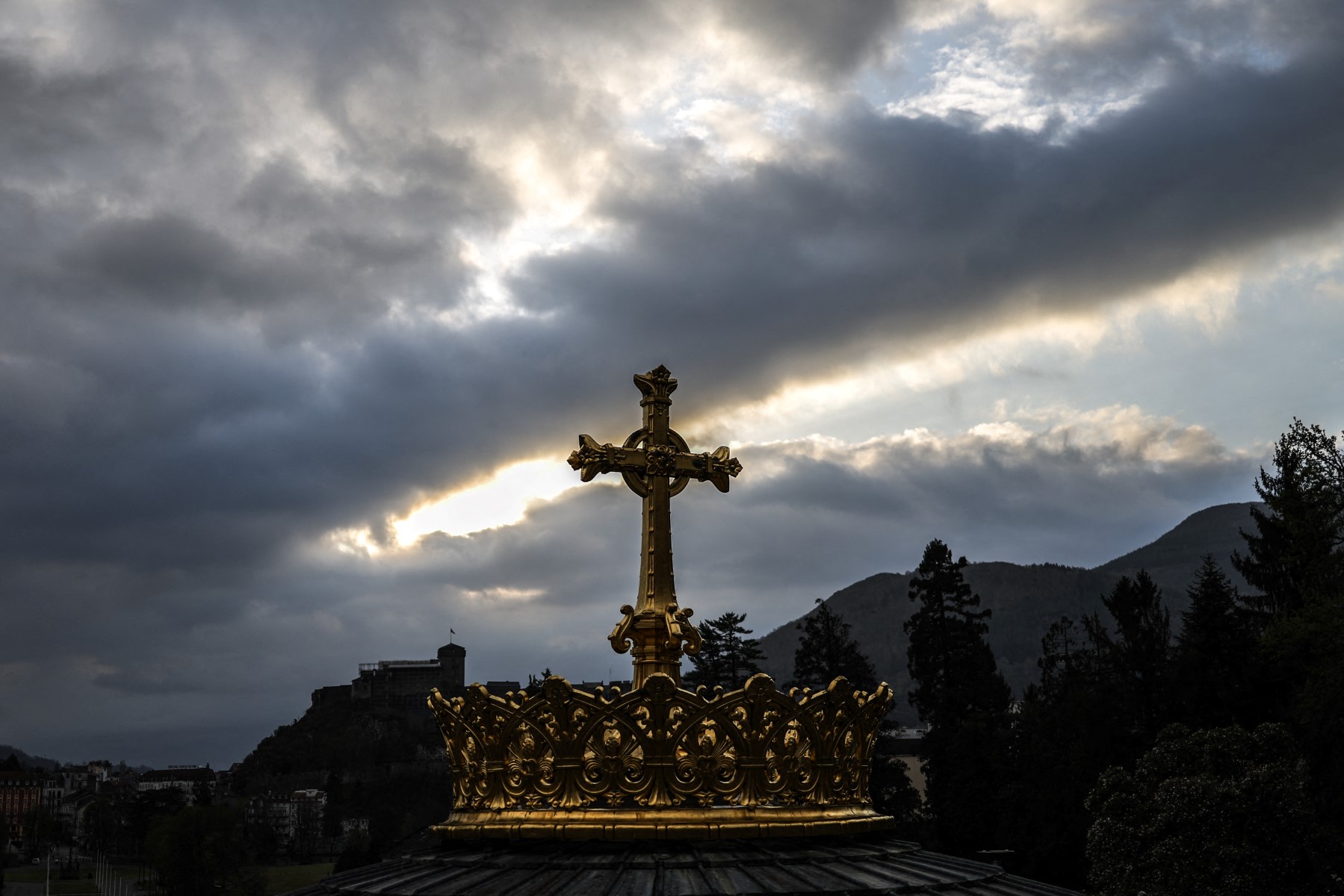
Answer: B) One religion among others
France is a secular country. As such, there is no state religion. This means the state is neutral, and according to the constitution there should be respect for all beliefs and equality of all citizens before the law without distinction of religion, freedom to worship,
and the absence of official worship.
READ MORE: EXPLAINED: What does laïcité (secularism) really mean in France?
What year was the constitution of the Fifth Republic adopted?
A) 1918
B) 1945
C) 1958
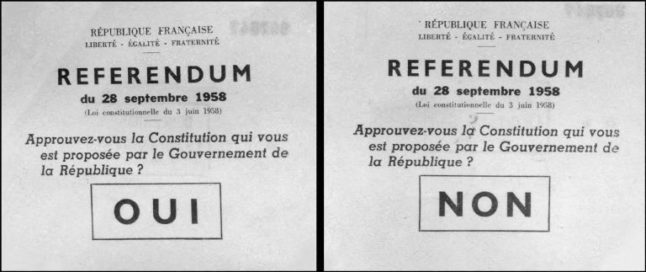
Answer: C) 1958
The French Fifth Republic began in 1958, and it came as a result of a political crisis in Algeria, which as the time was a French colony. It created a new political system, which is a democracy but one in which the president holds substantial power.
During his or her five-year term, the president is Head of State, head of the armed forces, can dissolve parliament, organise referenda, appoint government ministers (including the prime minister), control foreign policy and ratify treaties.
Which politician oversaw the creation of France's free, compulsory and public schooling system?
A) Jules Ferry
B) Luc Ferry
C) Jules Grévy
Answer: A) Jules Ferry
A statesman during the Third Republic, Jules Ferry pushed for secularism. He also introduced a system for public education for primary school in France.
 Emma Pearson

Comments (3)