
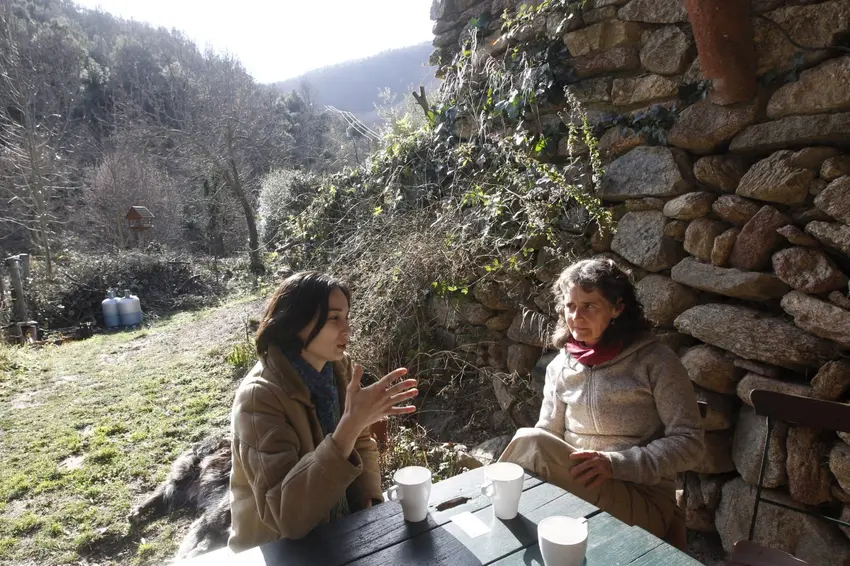
Obviously you need to be fairly financially comfortable to afford the upkeep on a second home, but it's not uncommon to be talking to a French person who is earning an average wage - a teacher let's say or a nurse - and for them to mention their holiday home.
Continue having these chats and some themes will emerge - the properties are almost always in France and they tend to be in rural areas.
Of France's total housing stock, around 3.4 million properties are maisons sécondaires (second homes) - some of these are purchased by overseas buyers (Brits, Germans and Dutch especially love the idea of a holiday home in France), but around 90 percent of second homes in France have French owners.
Revealed: Where in France do foreigners buy second homes?
So why is this such a common trend?
Inheritance laws
While many French people own a second home, it's less common to have bought one. Some people do, of course, perhaps buying a ski chalet in the Alps or a villa on the Riviera but this is usually only for the wealthy.
It is more common to inherit a second home, and a lot of properties that are used as second homes are old family properties.
French law prohibits parents from disinheriting their children so, if you own your own home, it will normally be left jointly to your children when you die. The state-funded retirement care also means that it's a lot less common for older people to have to sell their homes to pay for care, so a significant number of people do have a fully paid-off property to bequeath.
The heirs may decide that they want to sell the property and split the cash, but it's also quite common to decide to keep the home and use it for holidays, especially if the property is in a rural or seaside area.
Migration patterns
There might be sentimental reasons for wanting to keep the old family home, but it might be a practical decision too, especially for heirs who live in cities and have a family property in the countryside.
France is quite a centralised country with many industries being heavily concentrated in Paris - this means that many young people are obligated to move to the capital if they want to work in certain industries, but they might still feel a deep attachment to their home region.
Having a second home in their region of origin both maintains the emotional ties and provides a nice place to escape from the city for some relaxing downtime.
Property prices
Another factor is that property prices in rural France tend to be quite low. While buying a place in Paris or Bordeaux might set you back around €1 million, property in rural and small town France is a lot cheaper.
There's therefore less incentive to sell because you won't be reaping a life-changing, lottery-style sum of money (especially by the time it is divided between siblings).
Staycations
The French love staycations - it's an often-cited fact that tourism accounts for 10 percent of France's GDP. While that is true, only 30 percent of that comes from foreign tourists - the rest is French people taking a break in a different part of France.
It's a bit hard to unpack this one - do French people holiday in France because they have a second home in another part of the country? Or do people keep second homes because they love to staycation?
It's probably a bit of both, but there is a cultural trait in France of people decamping to a different part of the country for their holidays.
This is partly to do with France's geographical diversity - within one country you have snow-caped mountains and Mediterranean beaches, the windswept northern coast and the sun-drenched southern countryside, so it's perfectly possible to experience something totally different while staying in France.
6 reasons France is so popular for holidays
Long holidays
French people also get long holidays - all workers get at least 25 days annual leave while anyone covered by the 35-hour week legislation can take up to 40 days off per year if they organise their working week correctly.
There are also the frequent 'pont' weekends when people use a single day of annual leave to connect up a weekend and a public holiday and create a four-day break.
And then there's the school holidays - French children get two months off in the summer and five additional two-week holidays.
That's a lot of holiday time and it would cost a fortune to pay for hotels for all those breaks - having a second home means you can spend several weeks at a time away, more if you are lucky enough to be able to work remotely.
It's common in the summer for French people to decamp for long breaks in the countryside or by the sea, and cities really do empty out (apart from tourists) in August.
Make a friend
Obviously there are many reasons to make friends with French people - but an added bonus is the fact that if you get along they might take you on a cheap holiday to their place in the country or by the sea. Win.
Comments