
This new disaffection is threatening to extend into a widespread boycott of brands that are part of the daily lives of the French, the survey of 1,000 people for French tourist site NYC.fr commissioned from Ifop found.
The survey points to a historic decline in the popularity rating of the United States among people in France – although these results should be put into perspective because the most recent study dates from 2010, the Obama era.
“Nevertheless, it is a record low. Never in the last 40 years has the level been so low, even during the Bush years,” according to François Kraus, director of the Ifop Policy Department.
READ ALSO ‘Trump was final straw’: Why Americans are moving to France
The threat of trade tariffs, and the very public attempt to bully Ukrainian President Volodymyr Zelenskyy in the Oval Office have sparked anger and prompted numerous online calls for boycotts.
Nearly two in three people in France (62 percent) said they would be prepared to support a boycott of US products, while nearly one in three have already stopped buying American.
READ ALSO Europeans less keen to move to North America and UK, survey reveals
Among the brands that are currently the most boycotted are companies that are emblematic of the USA - 48 percent of those surveyed said they would stop buying Coca-Cola, while 44 percent reported they would cut out perennial fast-food favourite McDonald’s.
In the face of this potential boycott threat, the multinational is targeting French villages with an expansion plan that includes opening up 50 new McDonald’s outlets in 2025.
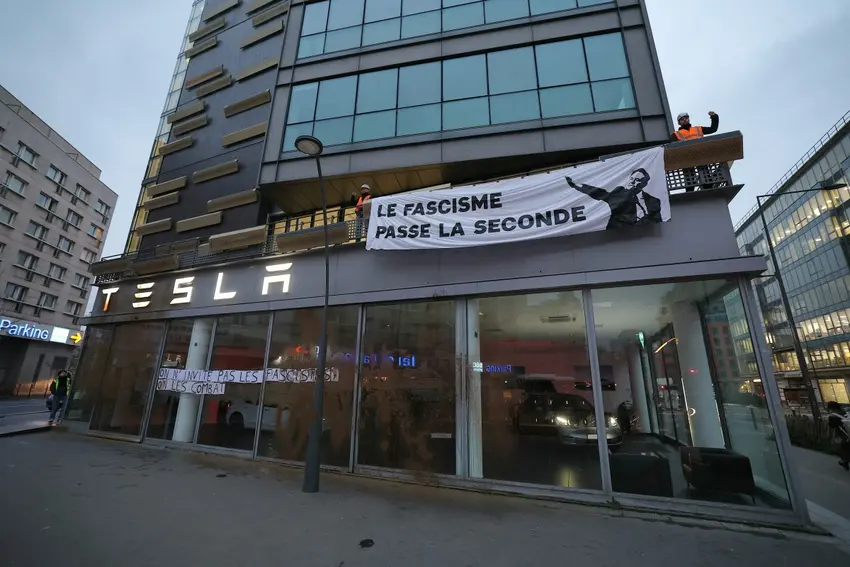
Easier still to boycott, EV manufacturer Tesla, was third on the study’s list; while Elon Musk’s social media site X (formerly Twitter) was also among the US-owned brands that French people were most likely to switch off.
It’s easier for people to ‘boycott’ products they do not already use, or for which there are alternatives.
READ ALSO ‘Shattered taboos’: How Europe has shifted as it gears up for the Trump era
Among the sectors that could be affected by boycott intentions in the coming months are car parts manufacturers, and brands of soft drinks, fast food, textiles and shoes. Social networks, service platforms and software are more likely to be spared from boycotts, however.
Support for French companies and employment was also cited as a reason for a possible boycott of US products – combining opposition towards President Trump’s economically isolationist tariff policies, and backing for national and European interests.
“This is not the usual image of political activism associated with boycotts,” Kraus said. “There is a support base that transcends political divides, a diversity of motivations and strong mobilisation of seniors and affluent groups that are more informed about current events and have greater purchasing power.”
“This may indicate a lasting phenomenon, which is of concern in the long term for American companies.”
The survey found that people who regard themselves as being on the left politically are most likely to support a boycott (72 percent) although centrist voters were also likely to support it. The over 60s strongly support boycott action with 81 percent saying they are in favour, while those on high incomes - more than €2,400 per month - were also the most likely to support it.
Comments (1)